Most beer is inoculated with cultivated yeast, chosen and pitched by the brewer. Lambic is different: the wort is left exposed overnight in a shallow copper coolship, and the air does the rest. Wild micro-organisms — the famous Brettanomyces among them — settle into the liquid and begin a fermentation no laboratory can replicate.
The catch is that this only works in one place. The micro-flora of the Senne valley, the shallow band of countryside southwest of Brussels known as the Pajottenland, is unique — which is why true lambic can only be brewed within roughly 15 kilometers of the capital. Move the coolship, and you brew something else.
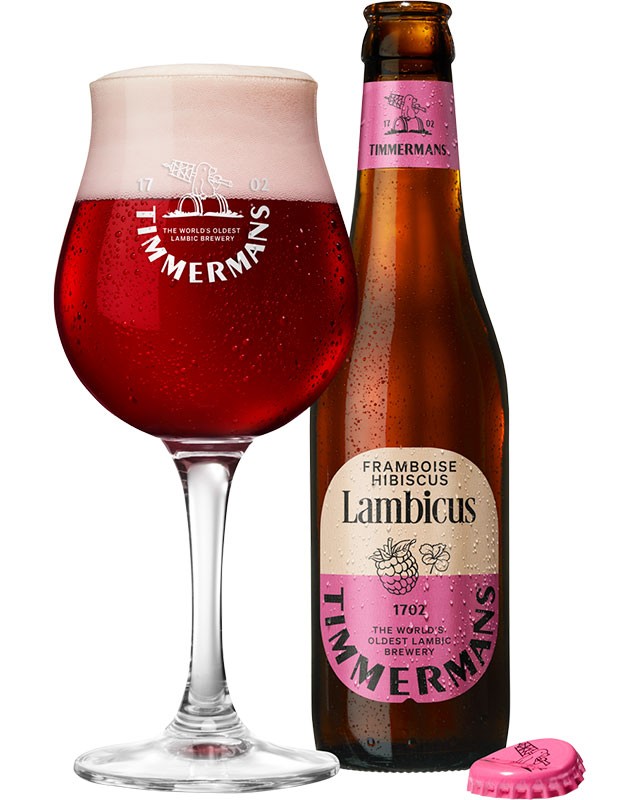
Timmermans has kept this tradition alive since 1702, making it the world’s oldest lambic brewery. Its lambics — brewed with 30% wheat — age one to three years in wooden barrels before blending. Young lambic brings brightness; old lambic brings depth and that unmistakable funk.
Move the coolship, and you brew something else.
From there, the blender’s art takes over. Blend old and young and referment in the bottle, and you have gueuze. Add whole cherries and you have kriek. Candy sugar makes faro; raspberries make framboise. Each is a different answer to the same question: what should time taste like?
For US retailers and beer directors, lambic is a category with no domestic substitute — a genuine appellation product, like Champagne. Pour it in a flute, price it with confidence, and tell the story. The story is the point.
Questions about availability or programs mentioned here? Find your regional rep or contact the house.